
Safe Steps Professionals Use to Collect and Handle Dangerous Materials
garbage collection services manage hazardous waste by identifying dangerous items, separating them from regular trash, using special containers, and transporting them to approved treatment or disposal sites. They follow strict safety rules to protect workers, the public, and the environment. This process keeps harmful chemicals, sharp objects, and toxic materials out of landfills and away from homes.
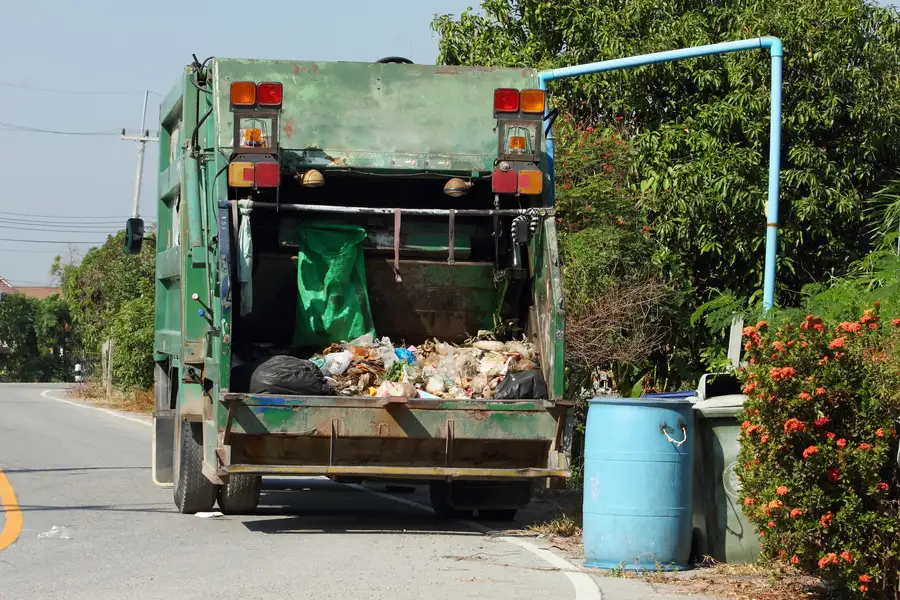
What Counts as Hazardous Waste
Hazardous waste is any material that can harm people, animals, or the environment. It may be flammable, toxic, corrosive, or reactive. Many homes and businesses create small amounts of hazardous waste without realizing it.
Common examples include:
- Paints, stains, and paint thinners
- Motor oil and gasoline
- Batteries and electronics
- Cleaning chemicals and pesticides
- Medical sharps and certain pharmaceuticals
These items should never go into regular trash bins. When mixed with normal waste, they can leak, cause fires, or contaminate soil and water.
Preparing for Safe Collection
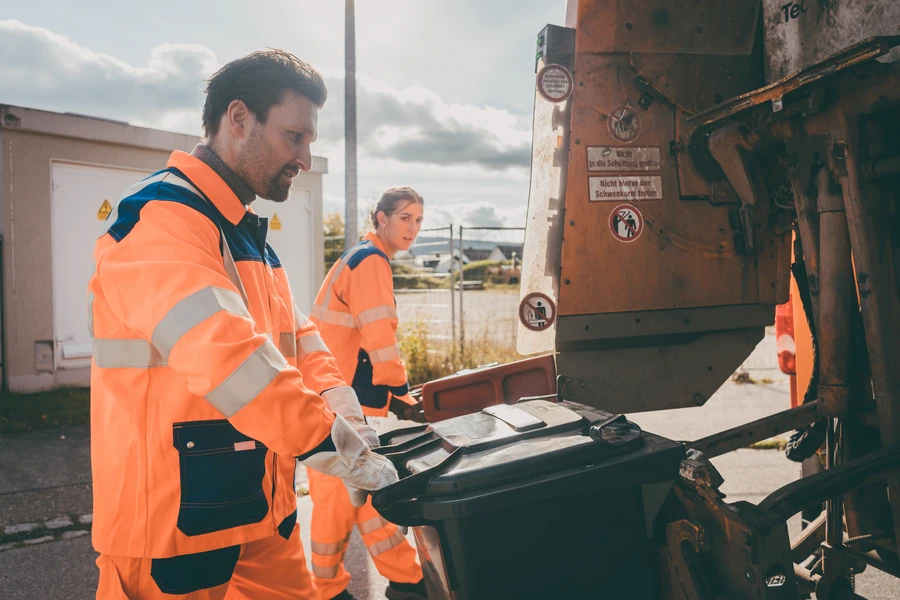
Before pickup, garbage collection teams plan ahead. They train workers to spot hazardous materials and handle them safely. Crews wear gloves, protective suits, masks, and eye protection when needed.
Trucks used for hazardous loads are often different from standard trash trucks. They may have sealed compartments, clear labels, and spill control kits on board. Dispatchers also check local rules to confirm where each type of waste must go. Regulations can vary by state or city.
Step-by-Step Handling Process
garbage collection crews follow a clear process to manage hazardous waste.
- Identification: Workers check labels and inspect materials to confirm they are hazardous.
- Separation: Items are kept away from household garbage to prevent contamination.
- Packaging: Waste is placed in approved containers that resist leaks and spills.
- Labeling: Each container is marked with details about its contents and risk level.
- Transportation: The waste is taken to a licensed treatment, recycling, or disposal facility.
- Documentation: Records are kept to track the waste from pickup to final disposal.
This careful chain of steps helps prevent accidents. It also proves that the waste was handled according to the law.
Common Mistakes People Make
Many problems start before the truck even arrives. People often toss small but dangerous items into their regular bins.
Here are common mistakes:
- Pouring leftover paint or oil down drains
- Hiding batteries inside bags of normal trash
- Mixing chemicals together in one container
- Leaving unlabeled containers at the curb
These actions can injure sanitation workers and damage equipment. Even small spills inside a truck can create toxic fumes or start fires.
When Treatment or Special Disposal Is Needed
Not all hazardous waste goes straight to a landfill. In many cases, it must be treated first. Treatment can reduce toxicity or make the material safer to handle.
Some examples include:
- Recycling used motor oil
- Neutralizing acidic chemicals
- Incinerating medical waste at high temperatures
Licensed facilities handle these steps. They follow environmental safety laws and use monitoring systems to prevent pollution.
When to Call Professionals
If you find unknown chemicals, large amounts of old paint, or damaged batteries, do not try to handle them yourself. Strong fumes, leaking liquids, or cracked containers are warning signs.
Businesses that generate hazardous byproducts also need reliable garbage collection partners. This includes auto shops, medical offices, cleaners, and construction crews. A trained team can pick up materials on a set schedule and keep your site compliant with local rules.
In addition to hazardous waste handling, many providers also manage general waste services. This may include , recycling pickup, and bulk item removal. Keeping hazardous materials separate from everyday waste is key to a safe system.
Protecting People and the Environment
Safe hazardous waste management protects water sources, wildlife, and air quality. It also reduces the risk of fires in trucks and disposal sites. Proper garbage collection practices lower the chance of injuries for workers and residents.
Communities benefit when dangerous materials stay out of regular landfills. Clean soil and water support public health and help neighborhoods stay safe for families.
Get Dependable Hazardous Waste Support
If you need help with hazardous material pickup in Eagle Point, OR, we are ready to assist. At Rogue Junk Monkeys, we handle garbage collection and special waste with trained crews and approved equipment. Our team follows strict safety standards on every job and keeps clear records for accountability. Call us today at (541) 204-1175 to schedule a pickup or ask questions about safe disposal options.